A small rant on why every brand suddenly sounds like your overconfident best friend
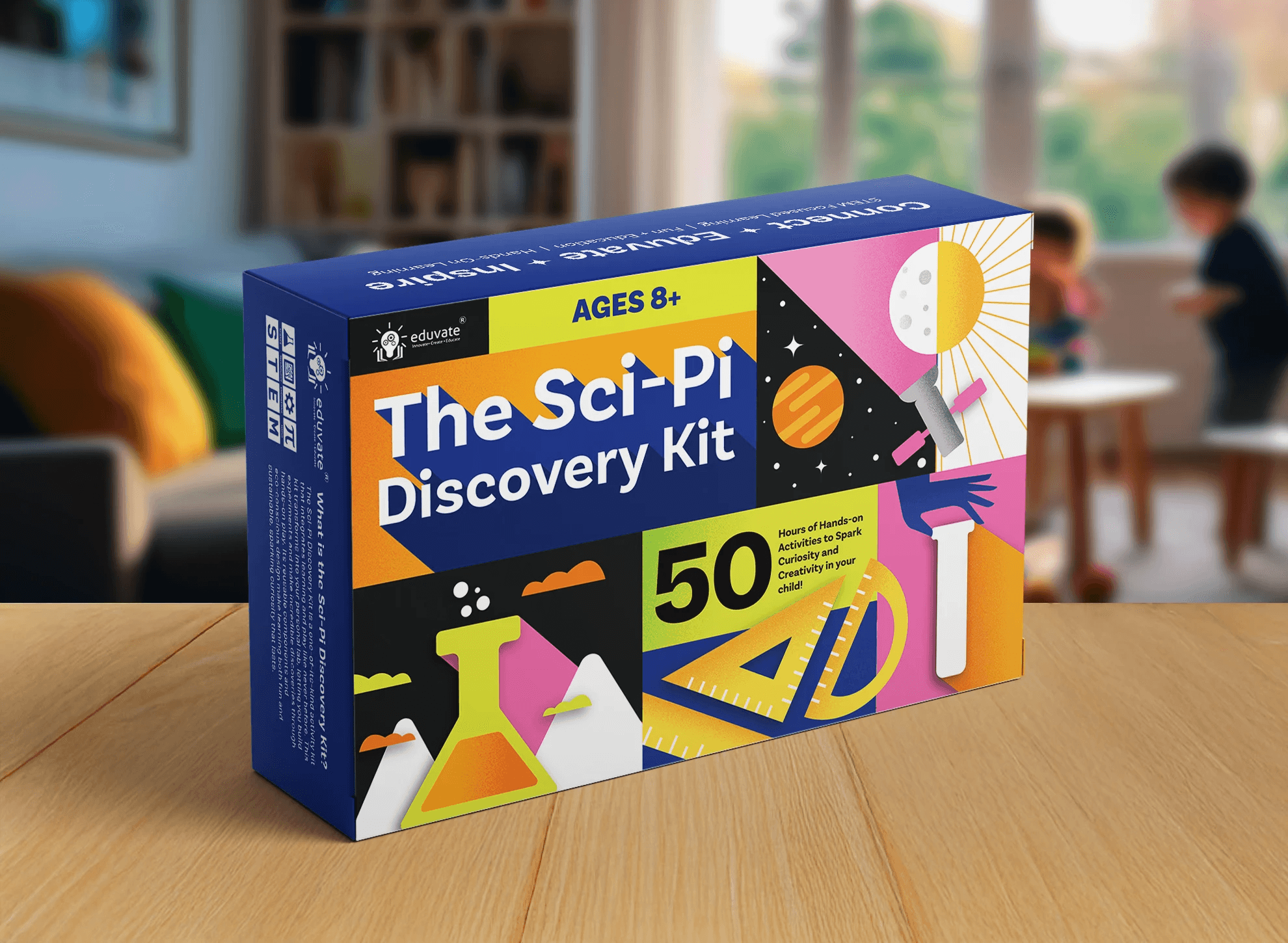
There was a time when a cheeky push notification or a funny line on packaging felt like a small reward. A brand breaking character just enough to feel human. I remember reading a witty line and thinking, okay, this one gets it.
Now it feels like everyone gets it. And somehow, that’s the problem.
The tone that once made brands feel distinct has become the default setting. Every caption wants to be self-aware. Every billboard wants to sound like it belongs on Twitter. And somewhere between being relatable and being relevant, a lot of brands have started sounding exactly the same.
I still think about early Swiggy campaigns as a turning point. Their humour didn’t feel pasted on. It came from observation. From hyper-local references and strange, slightly surreal moments that felt rooted in real cultural behaviour rather than internet trends. The voice grew alongside the brand, which is probably why it still feels authentic even today.
Zomato sits in a similar space for me. The wit feels lived-in rather than manufactured. Whether it’s push notifications or outdoor copy, the tone has a rhythm that feels consistent across platforms. It’s playful without trying too hard, and more importantly, it feels like a choice rather than a costume.
That’s the difference I keep coming back to. Relatability works when it’s rooted in perspective, not performance.
Somewhere along the way, humour stopped being a brand’s personality and started becoming a design trend.
Suddenly every D2C label had meme-style captions. Every Instagram carousel sounded like it was written by the same slightly sarcastic intern. Even brands that once felt sharp started leaning on the same formula.
I’ve noticed this especially with fashion and lifestyle brands trying to appeal to Gen Z. The tone feels loud but strangely hollow. It’s witty, but it doesn’t reveal anything real about the brand itself.
And maybe that’s why the charm wears off quickly. When humour becomes predictable, it stops feeling human.
There are still brands that manage to use relatability without losing depth.
Wakefit, for example, plays with pop culture references but usually anchors them in context. The humour feels timed rather than forced, like they understand when to lean into a cultural moment and when to step back.
boAt went a step further by building content ecosystems instead of just punchlines. Launching their own podcast with subculture voices didn’t just extend their tone of voice. It gave the brand a point of view. It felt less like marketing and more like participation in culture.
And that’s what I keep noticing. The brands that still feel fresh aren’t necessarily funnier. They’re just clearer about why they’re speaking the way they do.
I don’t think witty branding is over. But I do think we’re saturated. The voice that once made brands stand out is now making them blend together.
Humour has quietly become a safety net. When a product doesn’t have a strong differentiator, brands lean on sass. When messaging feels unclear, they hide behind puns.
And as a designer, I find myself wondering whether we sometimes confuse engagement with meaning. A clever caption might get likes, but does it actually build identity?
Maybe the real shift is moving from relatability to recognisability. Not every brand needs to sound like a best friend. Some might be mentors. Some might be calm observers. Some might even be quiet specialists.
Relatable branding isn’t the problem. Predictable relatability is.
The brands that will last aren’t necessarily the funniest ones. They’re the ones that know why they’re speaking, who they’re speaking to, and when to stop trying so hard to sound cool.
Because sometimes, the most refreshing voice in a crowded feed is the one that doesn’t feel like it’s performing at all.
