Creating Cultural Connections is an inclusive learning system that translates traditional Indian art forms into tactile, interactive experiences for students with intellectual disabilities.

Creating Cultural Connections is an inclusive learning system that translates traditional Indian art forms into tactile, interactive experiences for students with intellectual disabilities.

Creating Cultural Connections is an inclusive learning system that translates traditional Indian art forms into tactile, interactive experiences for students with intellectual disabilities.

The Gap

The Gap

The Gap

India’s traditional art forms carry deep cultural meaning, but they are often introduced through visually complex formats that aren’t accessible to students with intellectual disabilities.

While these students receive strong academic and emotional support, there is very little exposure to cultural learning that is adapted to how they perceive, touch, and explore the world.

India’s traditional art forms carry deep cultural meaning, but they are often introduced through visually complex formats that aren’t accessible to students with intellectual disabilities.

While these students receive strong academic and emotional support, there is very little exposure to cultural learning that is adapted to how they perceive, touch, and explore the world.

India’s traditional art forms carry deep cultural meaning, but they are often introduced through visually complex formats that aren’t accessible to students with intellectual disabilities.

While these students receive strong academic and emotional support, there is very little exposure to cultural learning that is adapted to how they perceive, touch, and explore the world.

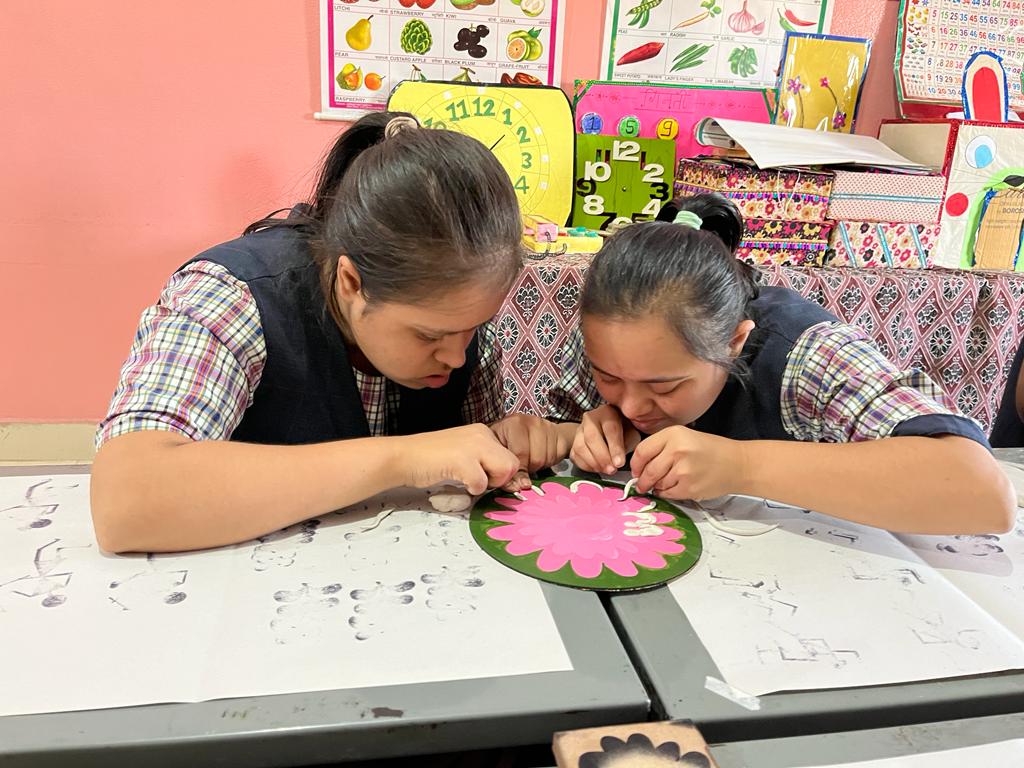
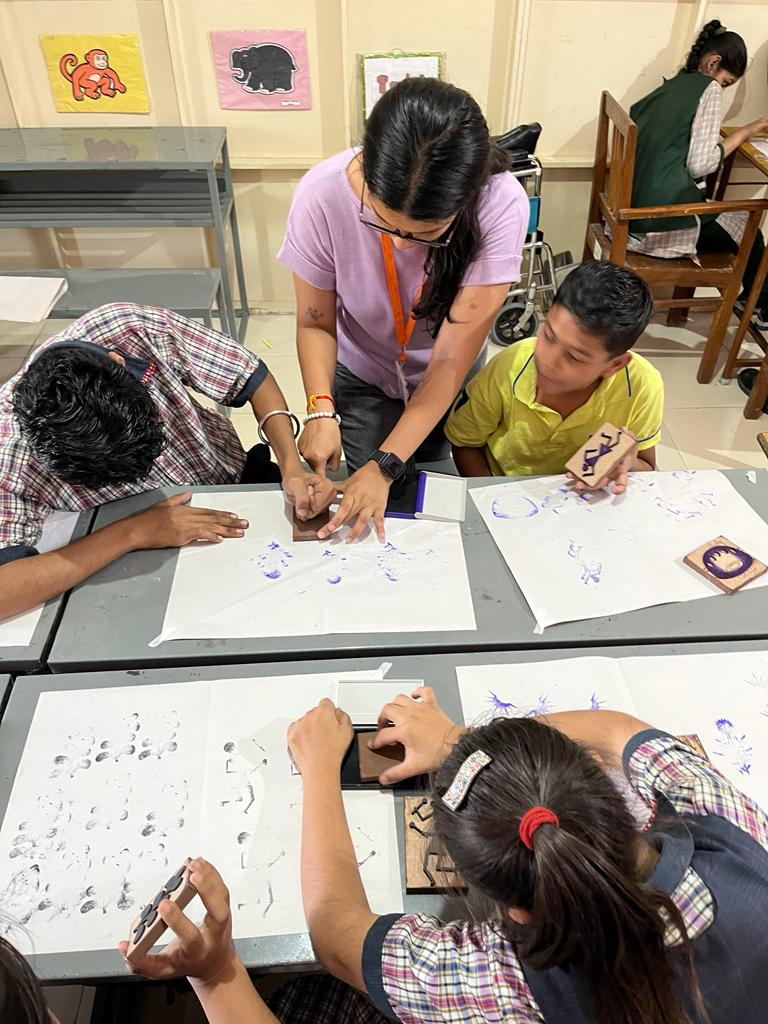
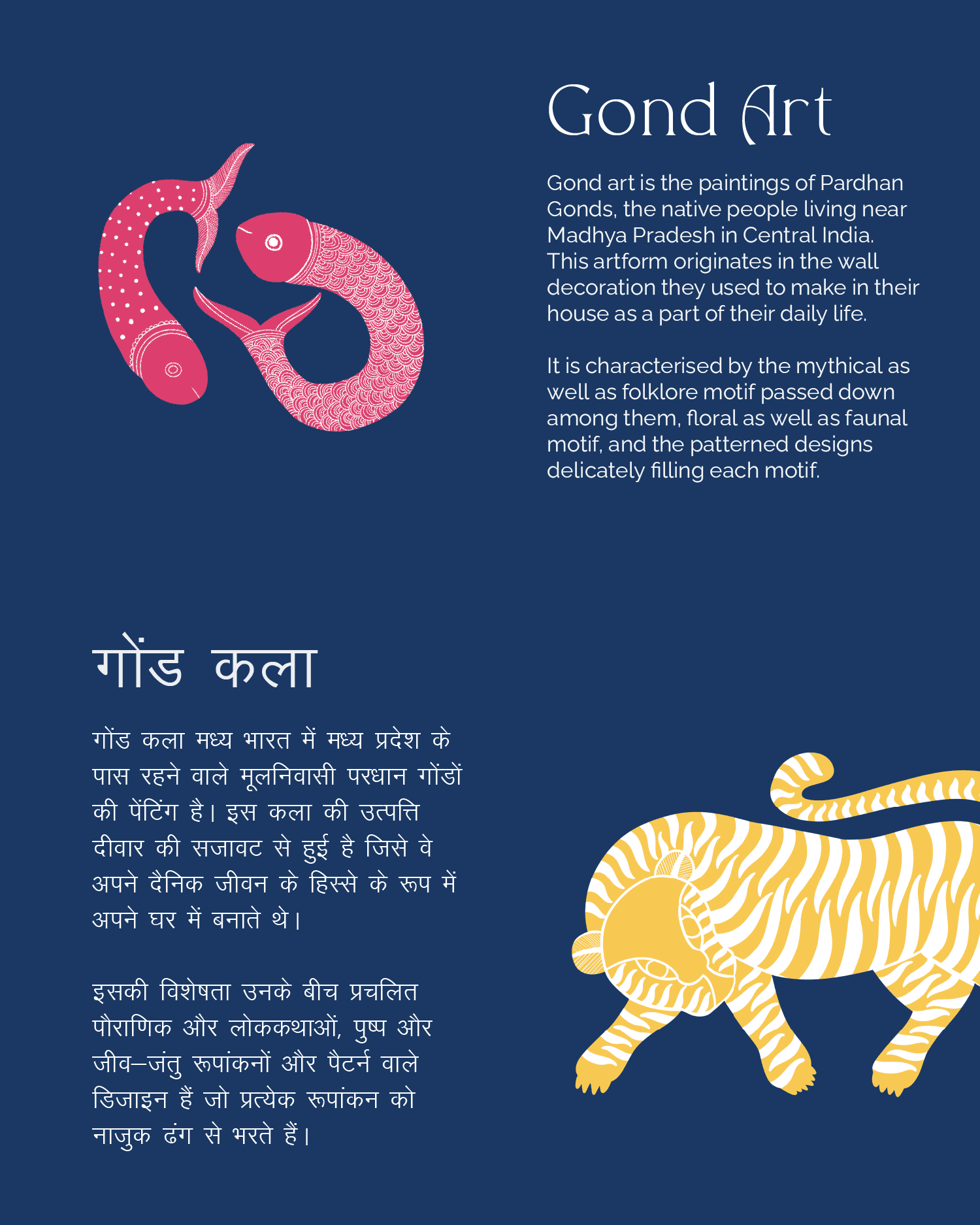
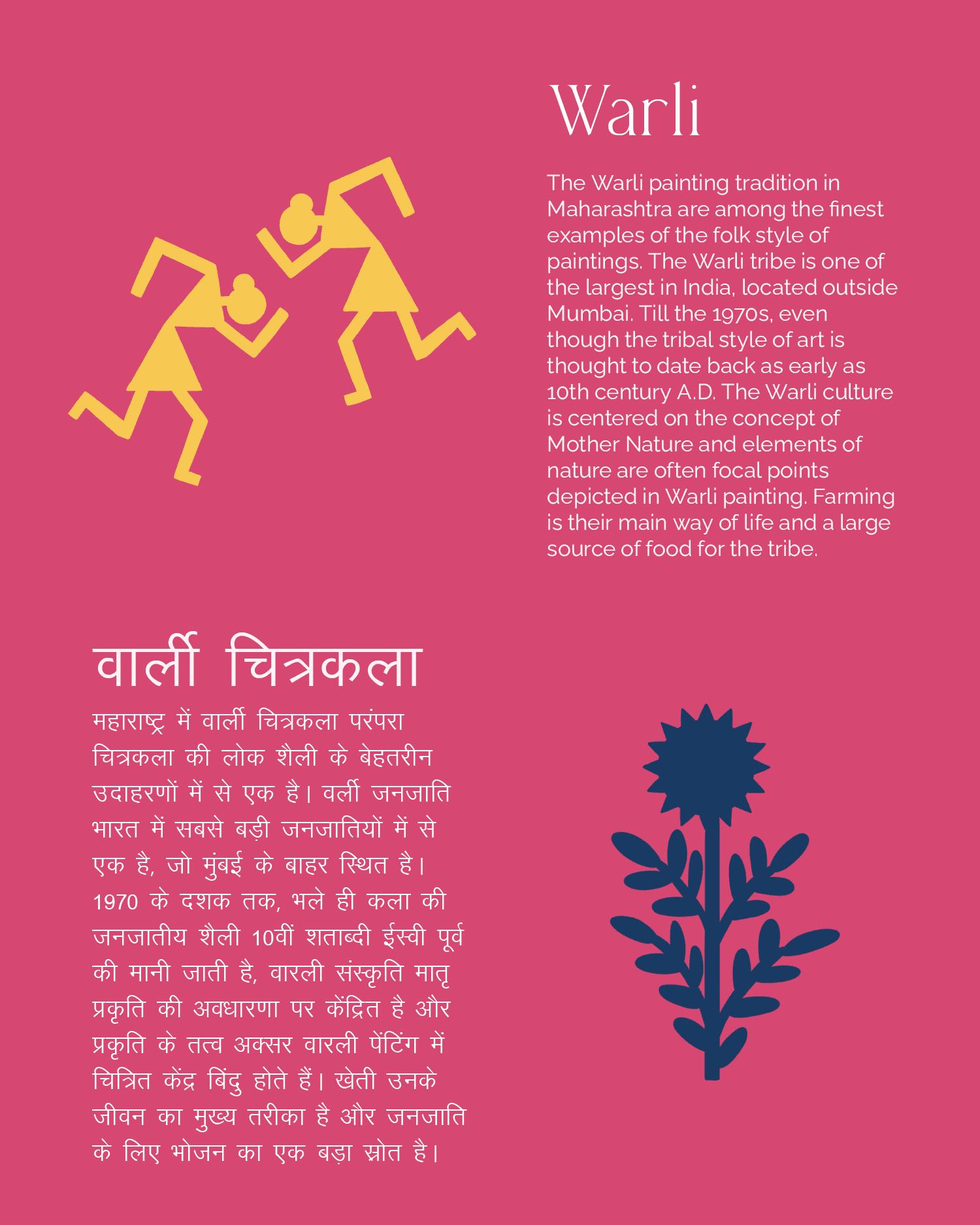
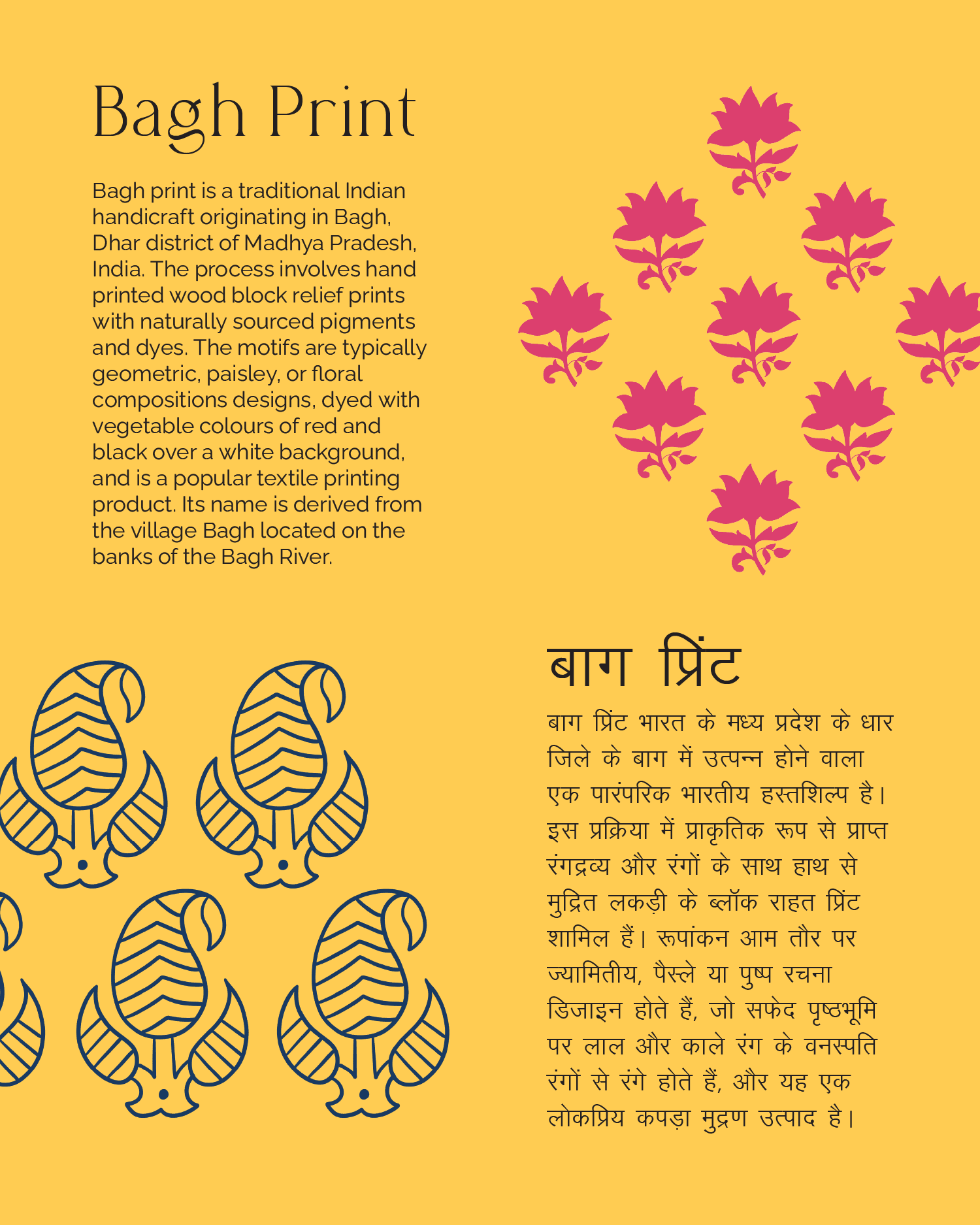
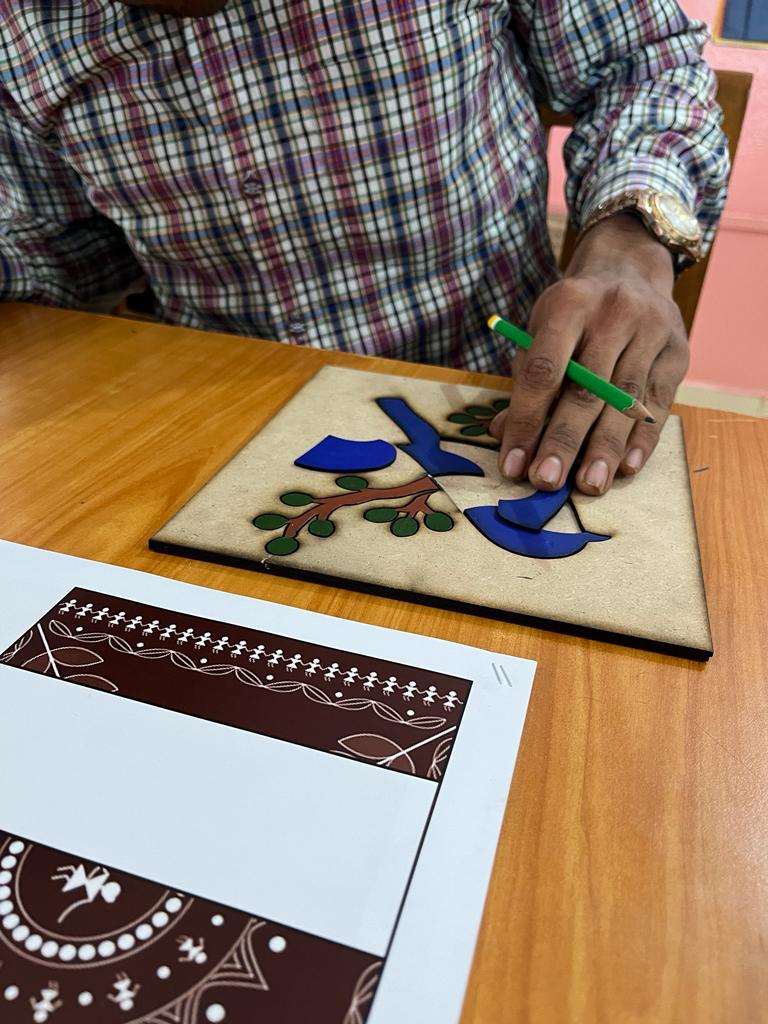
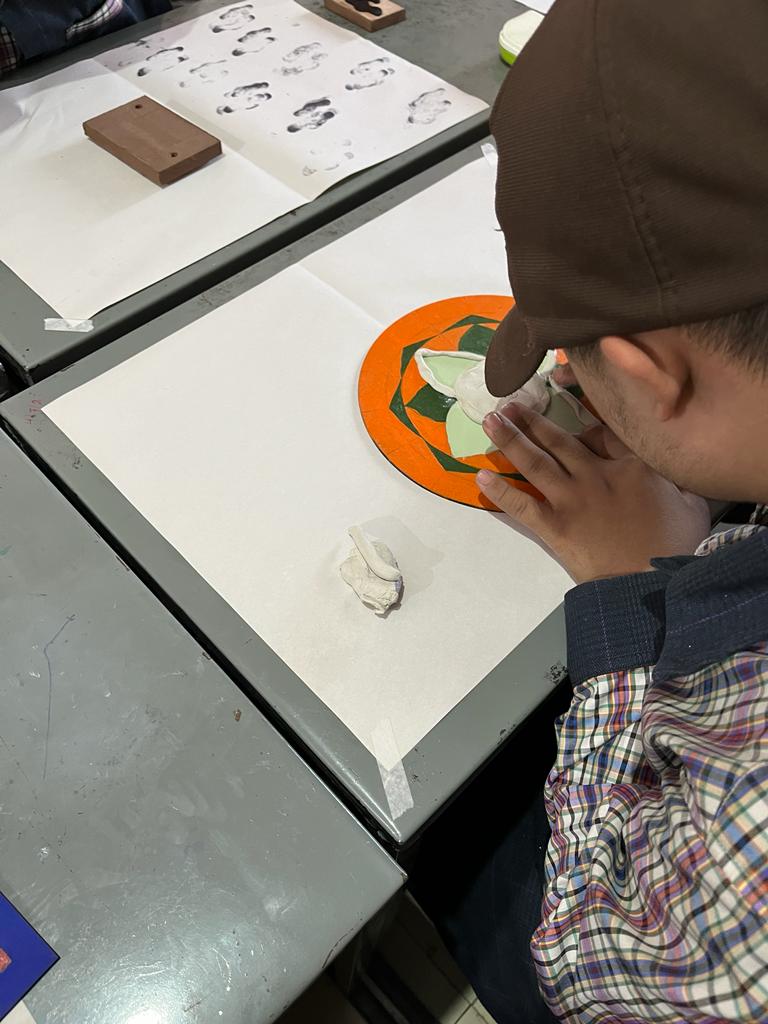
The focus shifted from teaching art styles to designing interactions inspired by them. Each activity needed to be intuitive, flexible across learning abilities, and respectful of the cultural roots it was derived from. Traditional art forms like Gond, Warli, Mandana, and Lippan were broken down into their most recognizable elements such as patterns, textures, symbols, and rhythms. These elements were then translated into interactive formats that encouraged touch, movement, and repetition.

The focus shifted from teaching art styles to designing interactions inspired by them. Each activity needed to be intuitive, flexible across learning abilities, and respectful of the cultural roots it was derived from. Traditional art forms like Gond, Warli, Mandana, and Lippan were broken down into their most recognizable elements such as patterns, textures, symbols, and rhythms. These elements were then translated into interactive formats that encouraged touch, movement, and repetition.

The focus shifted from teaching art styles to designing interactions inspired by them. Each activity needed to be intuitive, flexible across learning abilities, and respectful of the cultural roots it was derived from. Traditional art forms like Gond, Warli, Mandana, and Lippan were broken down into their most recognizable elements such as patterns, textures, symbols, and rhythms. These elements were then translated into interactive formats that encouraged touch, movement, and repetition.

Traditional art forms like Gond, Warli, Mandana, and Lippan were broken down into their most recognizable elements such as patterns, textures, symbols, and rhythms. These elements were then translated into interactive formats that encouraged touch, movement, and repetition.

Traditional art forms like Gond, Warli, Mandana, and Lippan were broken down into their most recognizable elements such as patterns, textures, symbols, and rhythms. These elements were then translated into interactive formats that encouraged touch, movement, and repetition.

Traditional art forms like Gond, Warli, Mandana, and Lippan were broken down into their most recognizable elements such as patterns, textures, symbols, and rhythms. These elements were then translated into interactive formats that encouraged touch, movement, and repetition.

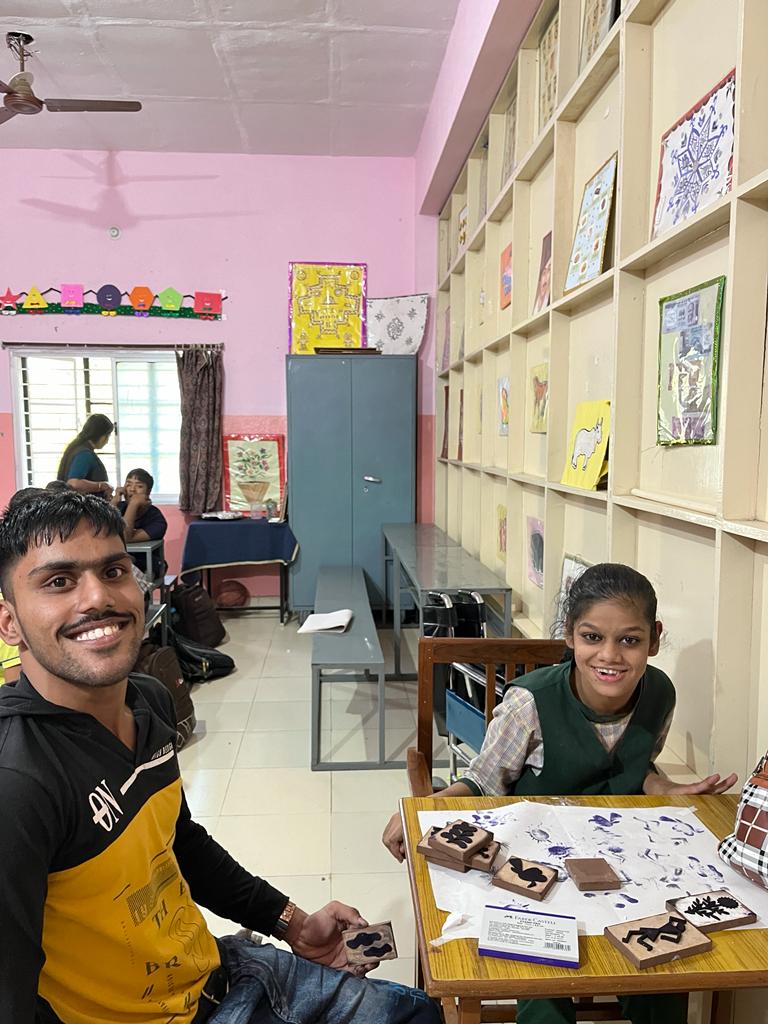
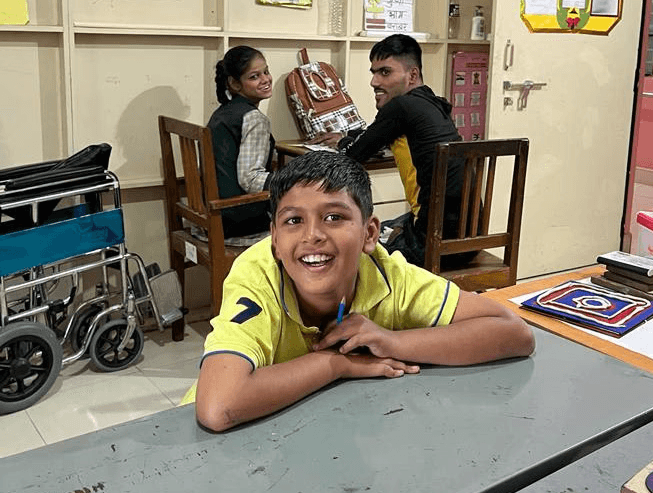
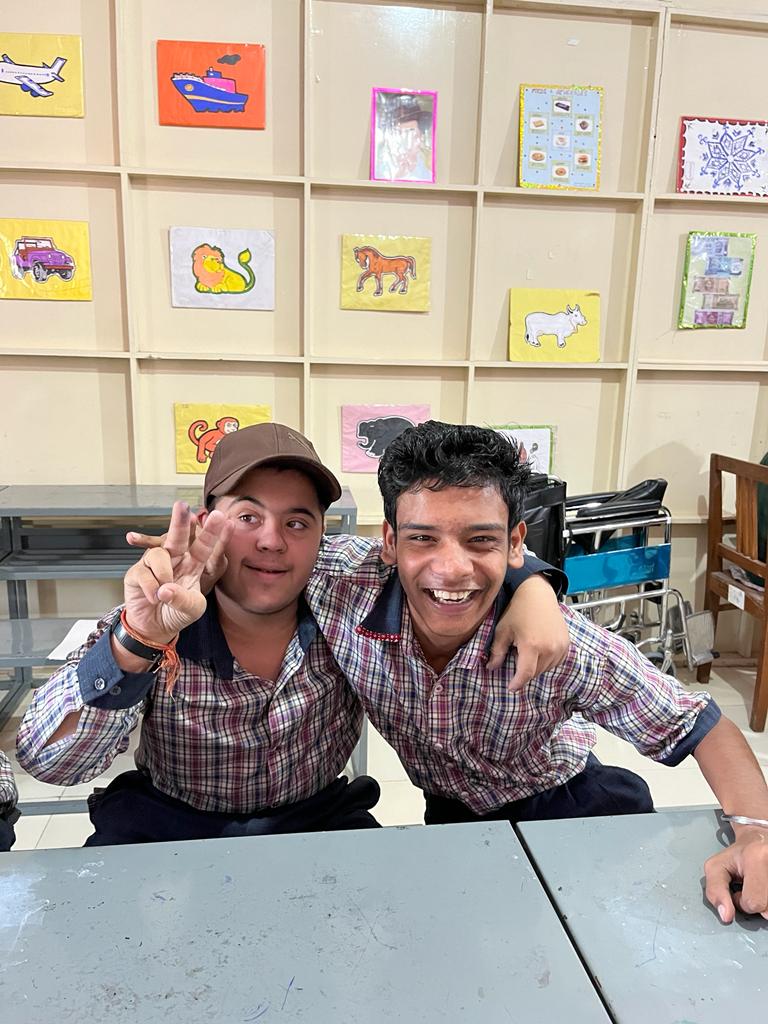
The activities led to noticeably higher engagement during sessions, improved fine motor interaction, and a more intuitive entry point into cultural learning. Educators noted that students were more curious, willing to explore independently, and emotionally connected to the activities.

The project demonstrated strong potential for expansion into a modular learning kit that could be adopted by schools, cultural institutions, and inclusive learning spaces. With institutional support, the system could be scaled to include additional art forms, age groups, and regional adaptations, making cultural learning more accessible across educational contexts.

The activities led to noticeably higher engagement during sessions, improved fine motor interaction, and a more intuitive entry point into cultural learning. Educators noted that students were more curious, willing to explore independently, and emotionally connected to the activities.

The project demonstrated strong potential for expansion into a modular learning kit that could be adopted by schools, cultural institutions, and inclusive learning spaces. With institutional support, the system could be scaled to include additional art forms, age groups, and regional adaptations, making cultural learning more accessible across educational contexts.

The activities led to noticeably higher engagement during sessions, improved fine motor interaction, and a more intuitive entry point into cultural learning. Educators noted that students were more curious, willing to explore independently, and emotionally connected to the activities.

The project demonstrated strong potential for expansion into a modular learning kit that could be adopted by schools, cultural institutions, and inclusive learning spaces. With institutional support, the system could be scaled to include additional art forms, age groups, and regional adaptations, making cultural learning more accessible across educational contexts.