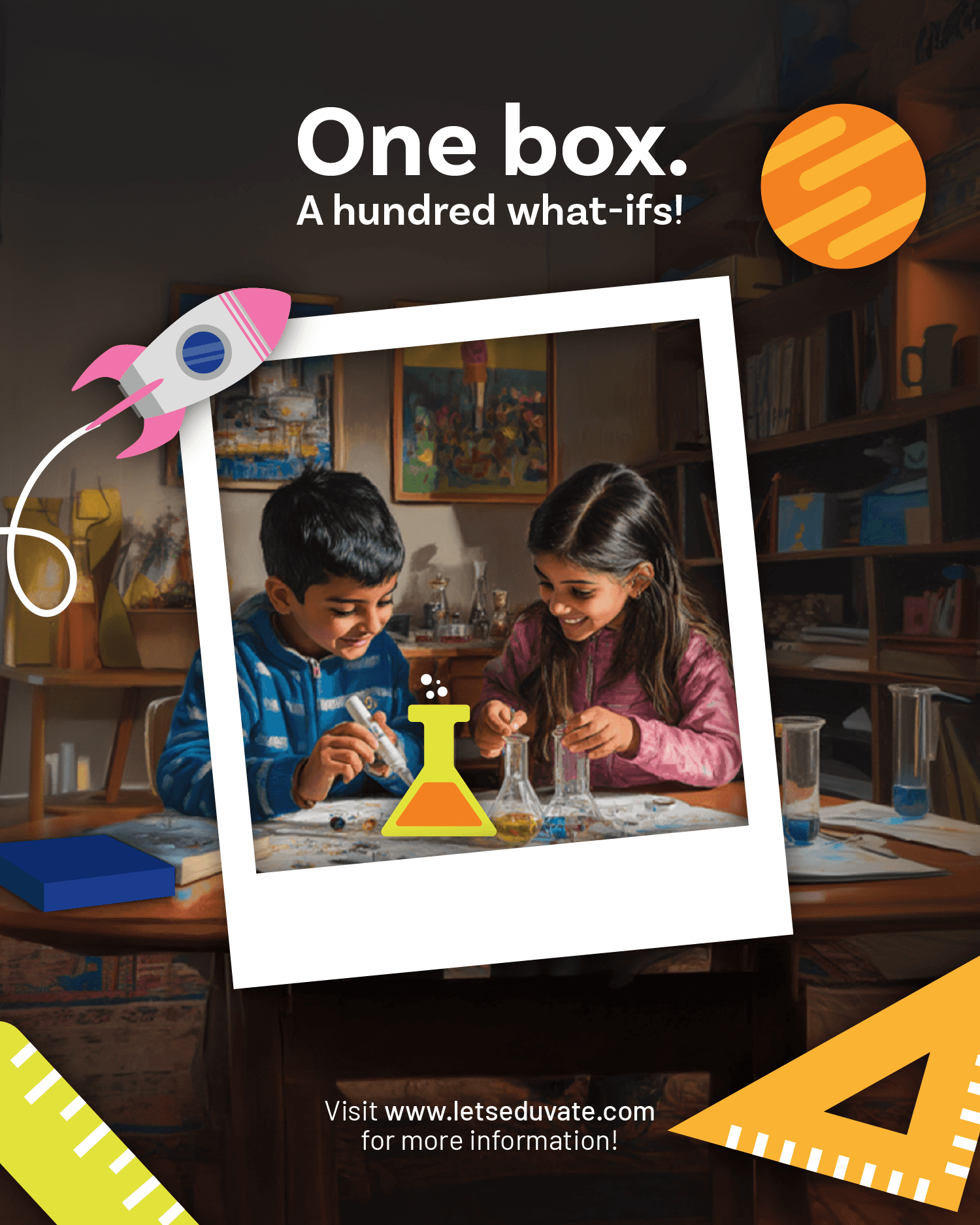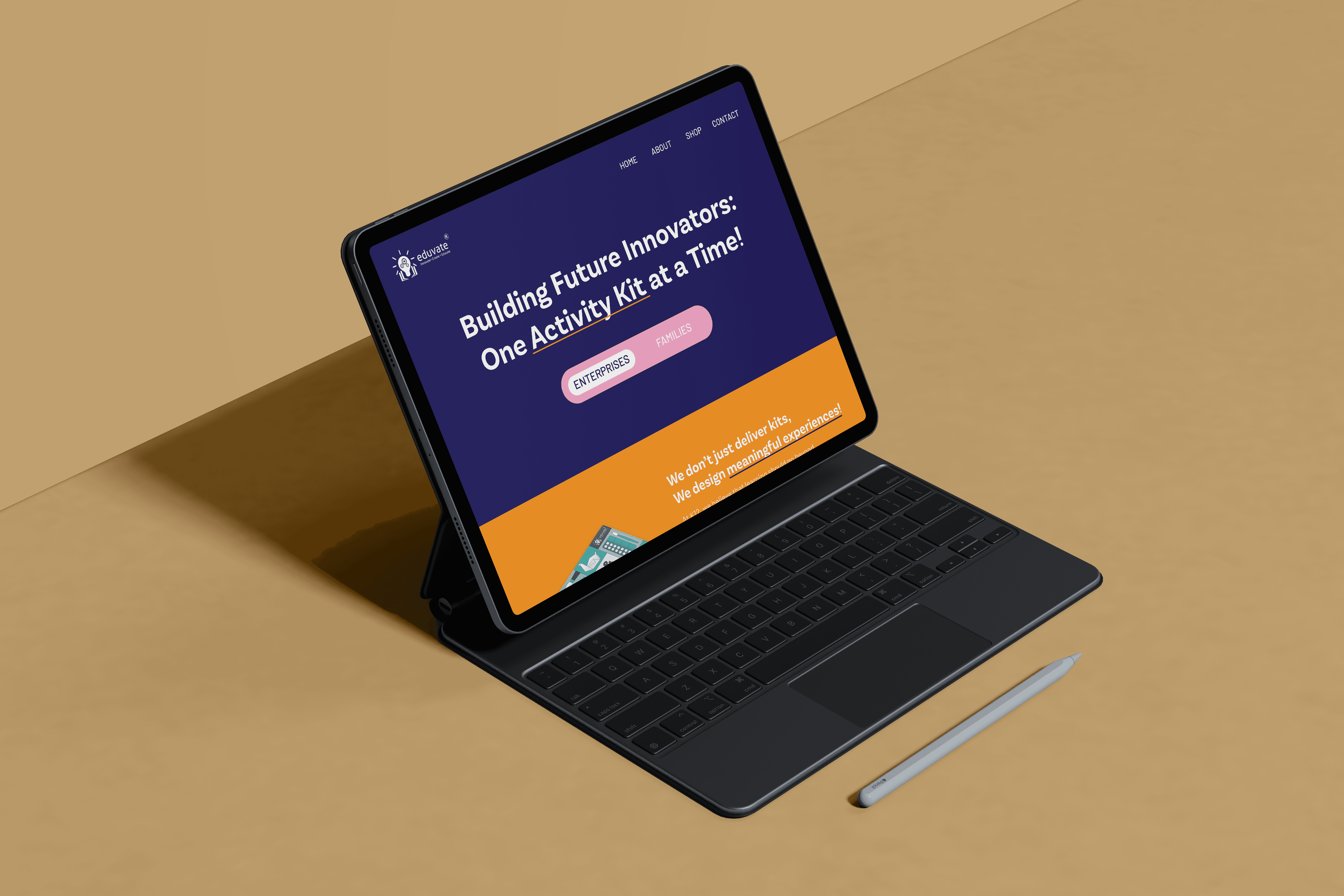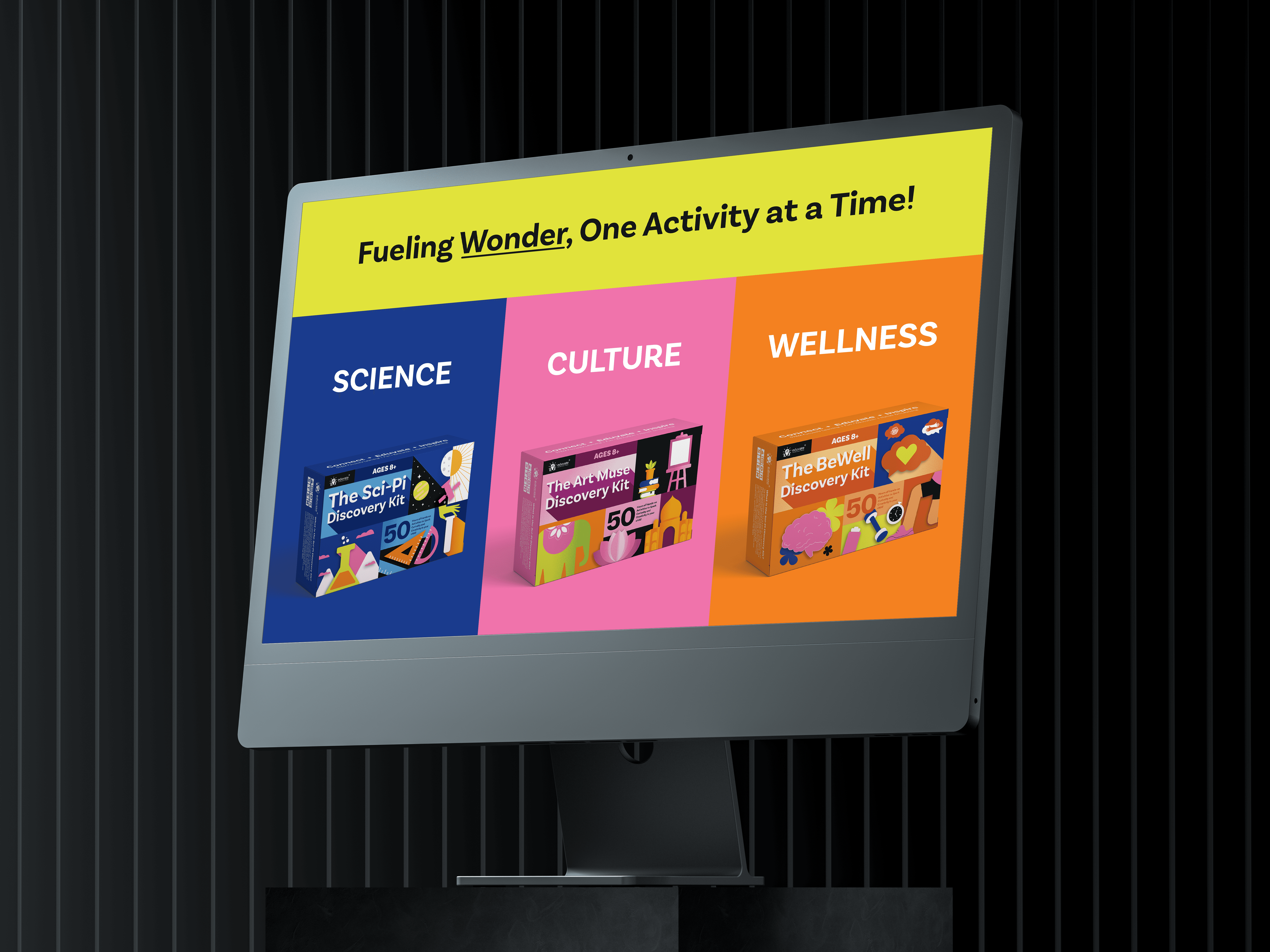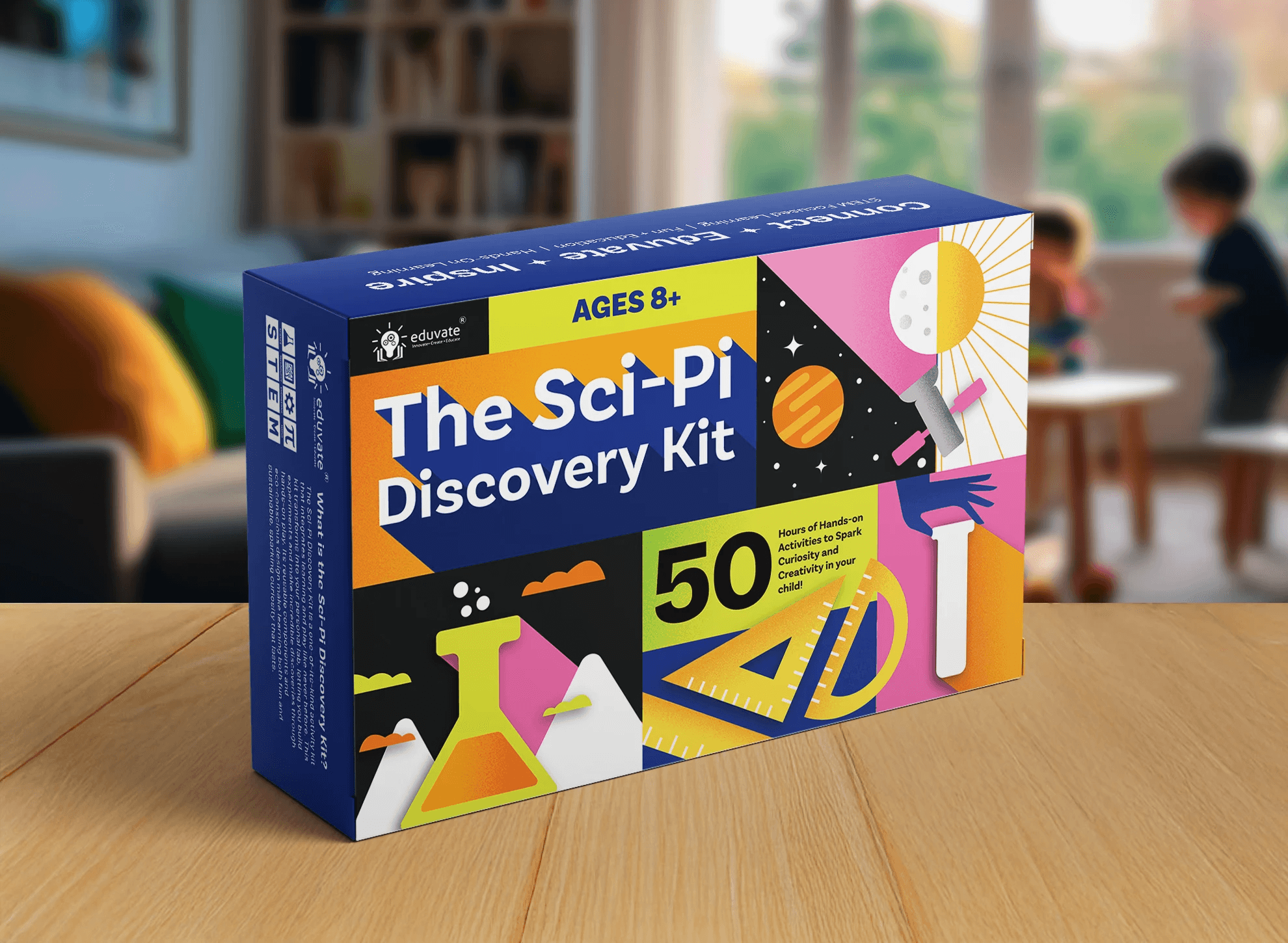


A live graduation project developed at Therefore Design, focused on reimagining K12’s learning kit packaging across institutional and retail contexts.


The Ask
The Ask
The Ask
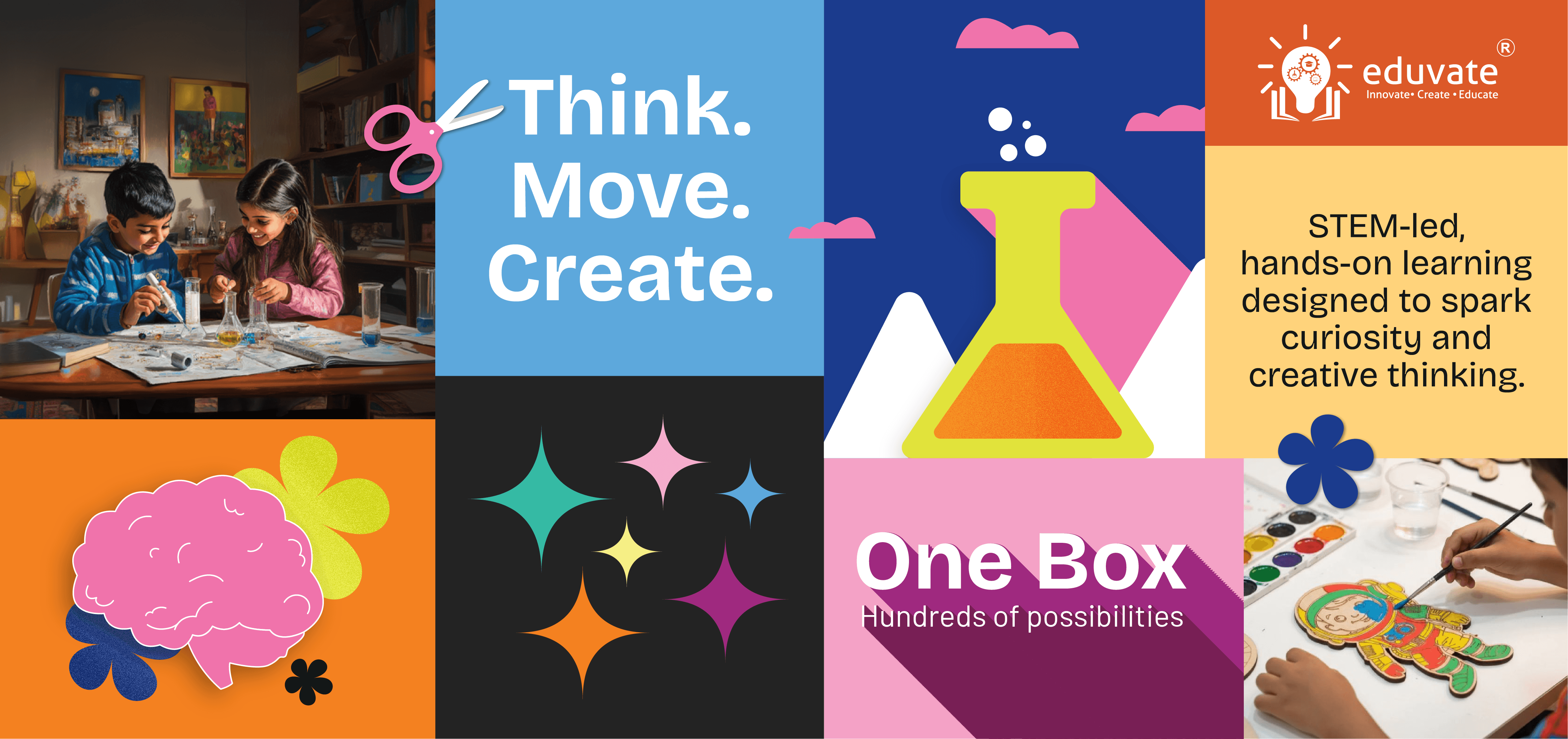
K12’s learning kits are distributed across schools and are now entering the retail market for the first time. While the content inside the kits is strong, the packaging lacked a cohesive system that could scale across grades, subjects, and distribution channels.
The brief was to rethink packaging not just as a container, but as a brand, communication, and experience tool — one that could work seamlessly across classrooms and retail shelves.
K12’s learning kits are distributed across schools and are now entering the retail market for the first time. While the content inside the kits is strong, the packaging lacked a cohesive system that could scale across grades, subjects, and distribution channels.
The brief was to rethink packaging not just as a container, but as a brand, communication, and experience tool — one that could work seamlessly across classrooms and retail shelves.
K12’s learning kits are distributed across schools and are now entering the retail market for the first time. While the content inside the kits is strong, the packaging lacked a cohesive system that could scale across grades, subjects, and distribution channels.
The brief was to rethink packaging not just as a container, but as a brand, communication, and experience tool — one that could work seamlessly across classrooms and retail shelves.


The challenge lay in designing for two very different environments.
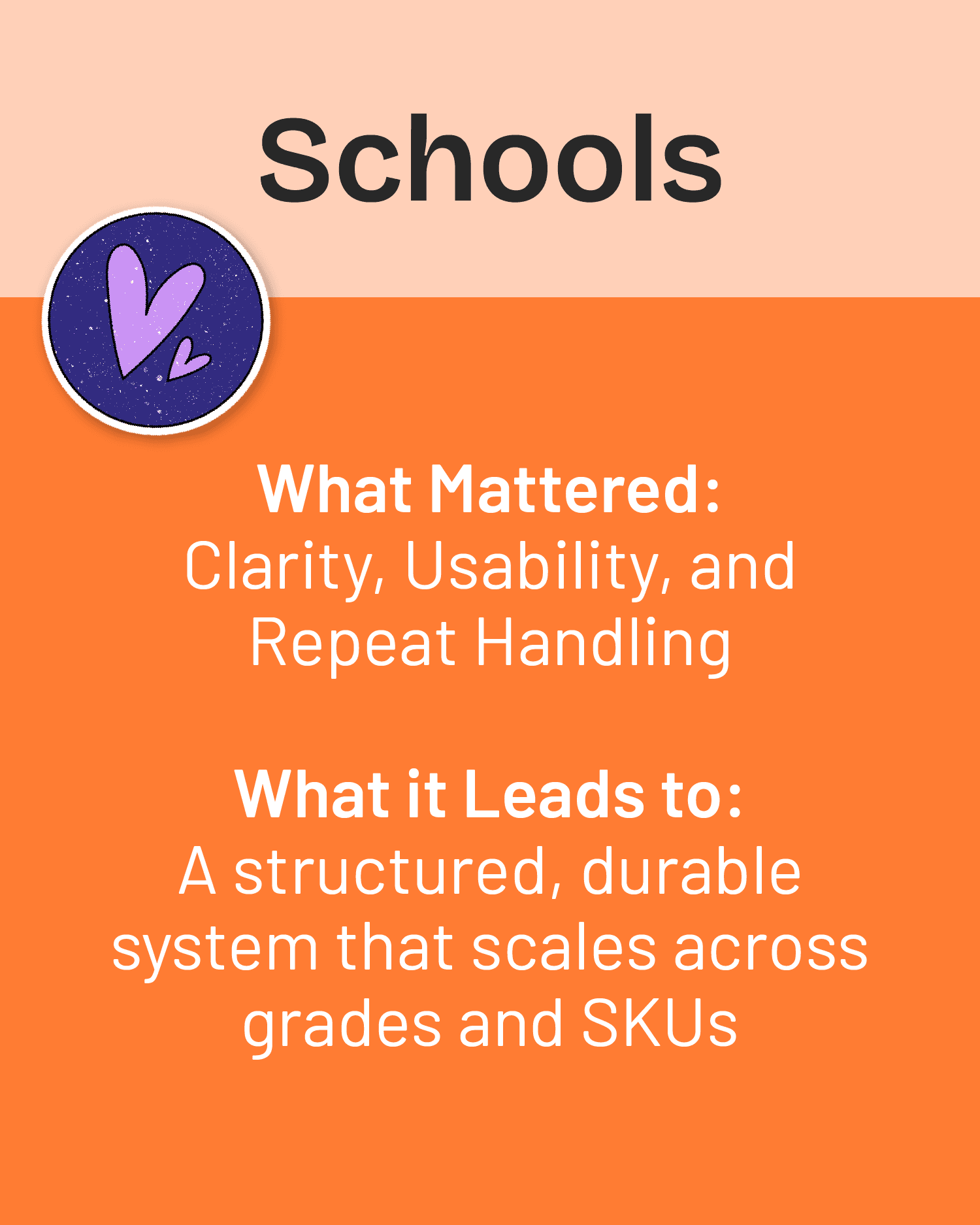
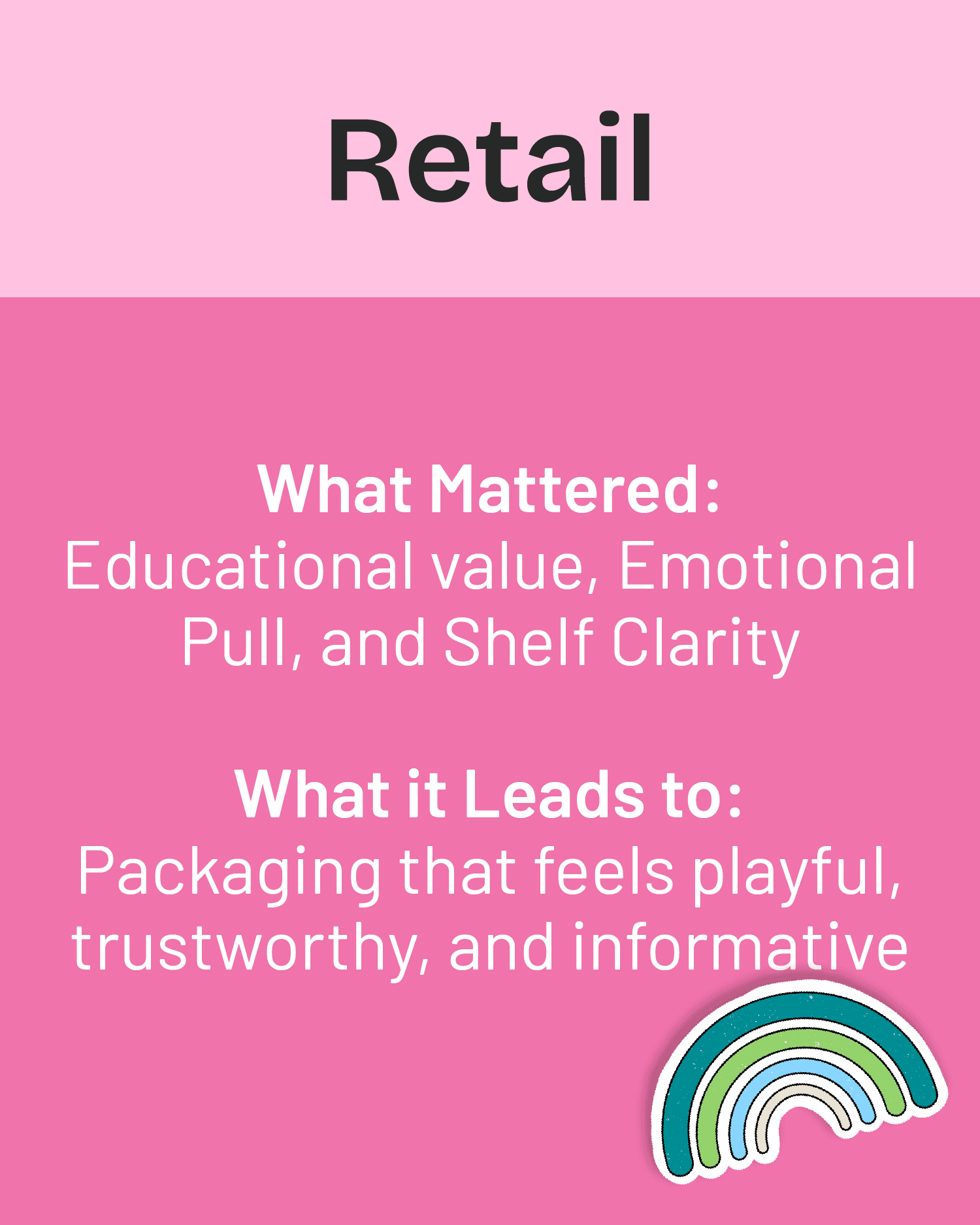
In schools, the packaging needed to be functional, durable, and easy to manage across a large number of SKUs. In retails, it needed to stand out, build trust, and communicate value within seconds. The goal was to design a single system flexible enough to adapt to both.
The challenge lay in designing for two very different environments.
In schools, the packaging needed to be functional, durable, and easy to manage across a large number of SKUs. In retails, it needed to stand out, build trust, and communicate value within seconds. The goal was to design a single system flexible enough to adapt to both.
The challenge lay in designing for two very different environments.
In schools, the packaging needed to be functional, durable, and easy to manage across a large number of SKUs. In retails, it needed to stand out, build trust, and communicate value within seconds. The goal was to design a single system flexible enough to adapt to both.


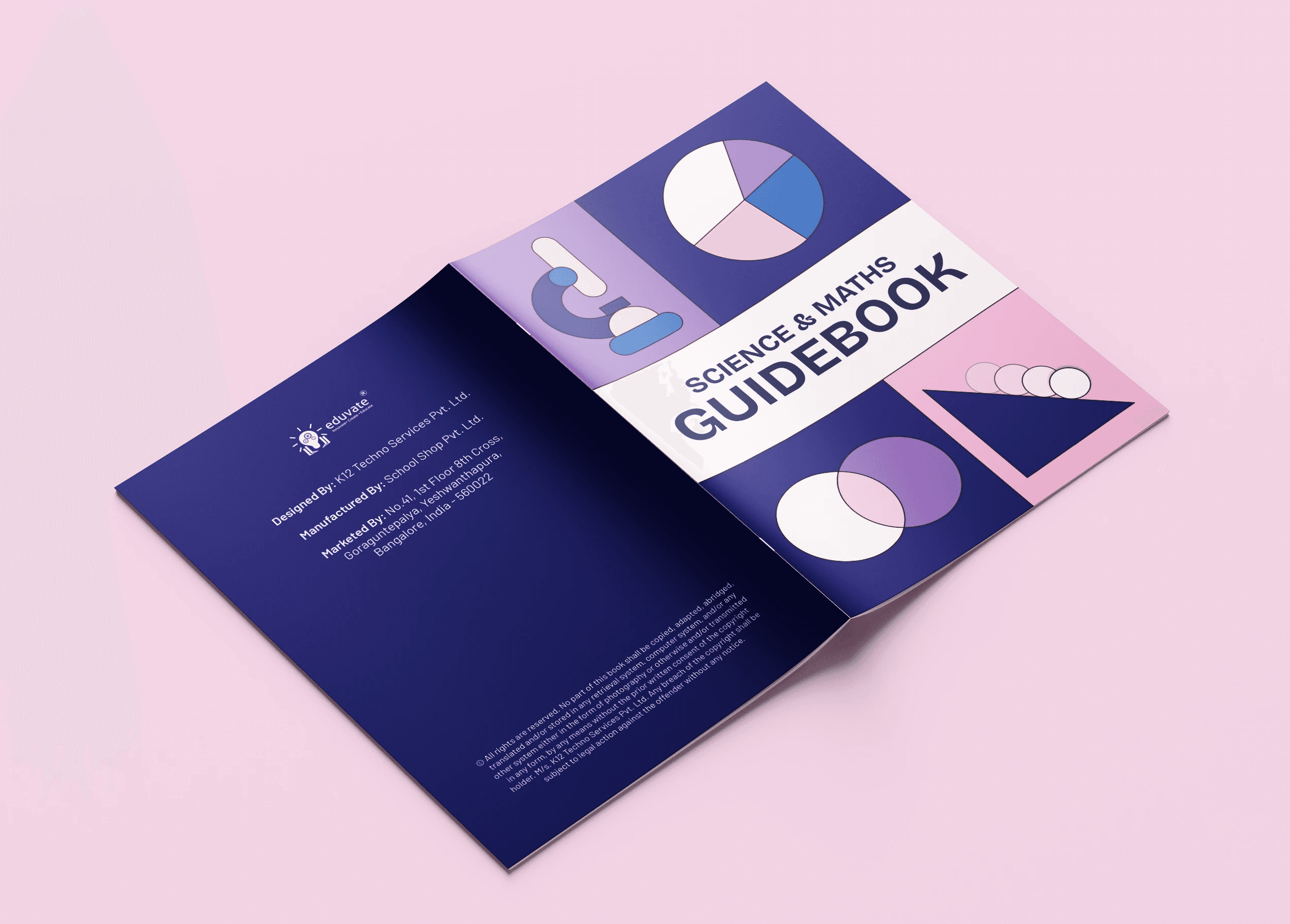
The solution was built as a modular packaging system that could scale across subjects, grades, and channels while maintaining a strong, recognisable brand language. A standardised box structure forms the base, supported by interchangeable visual elements such as colour coding, stickers, and inserts. This approach reduced SKU complexity while allowing for differentiation where needed.


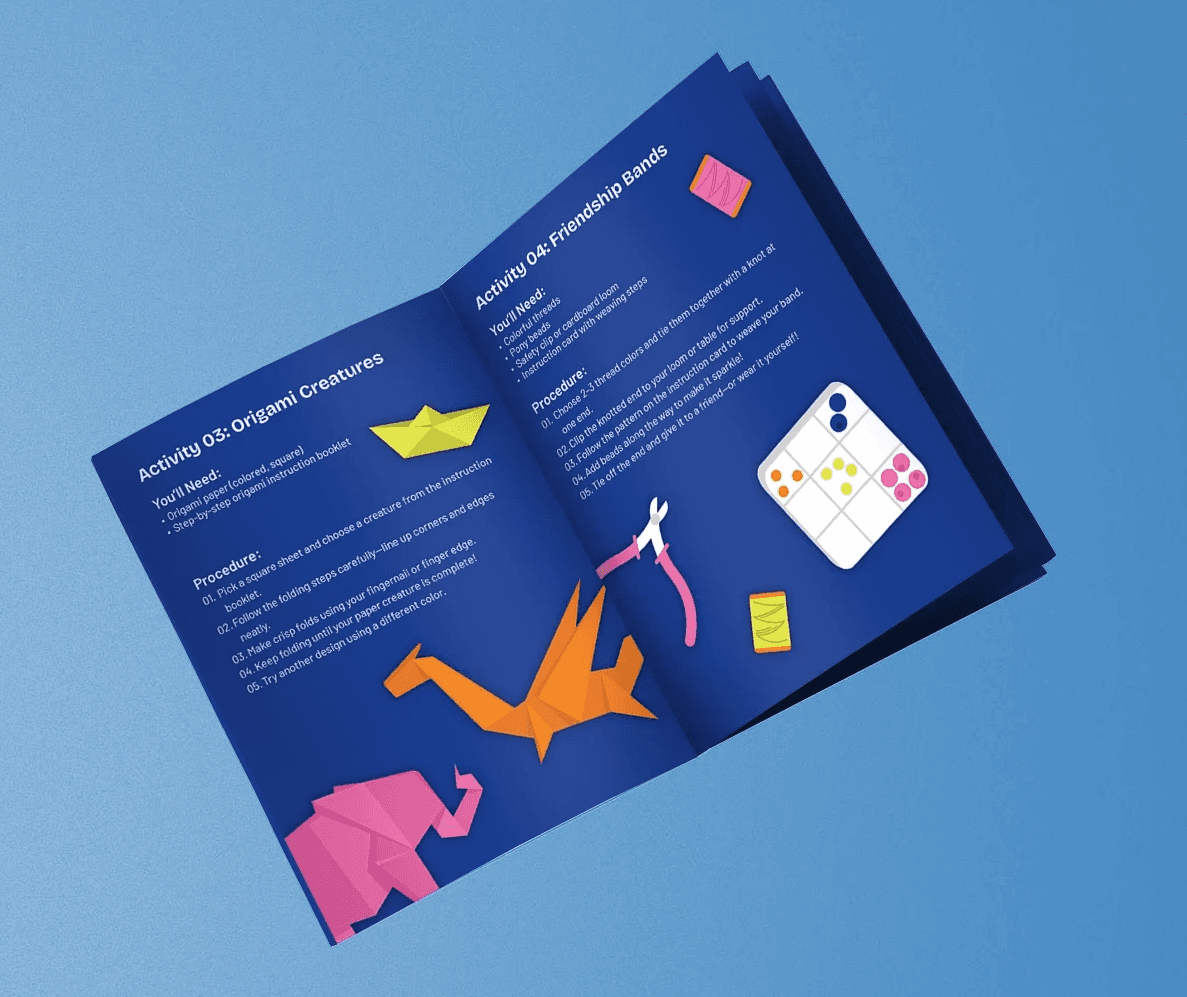
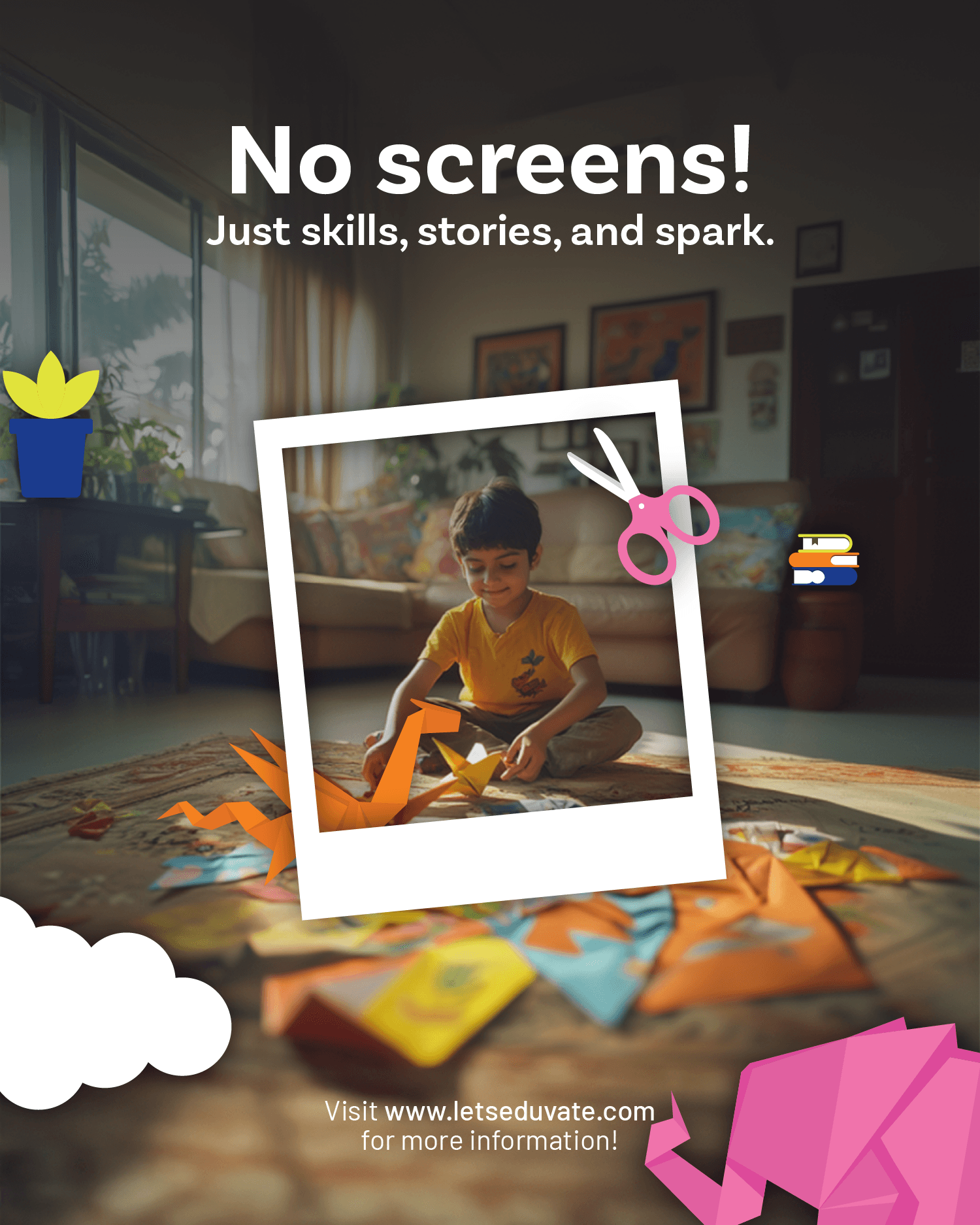
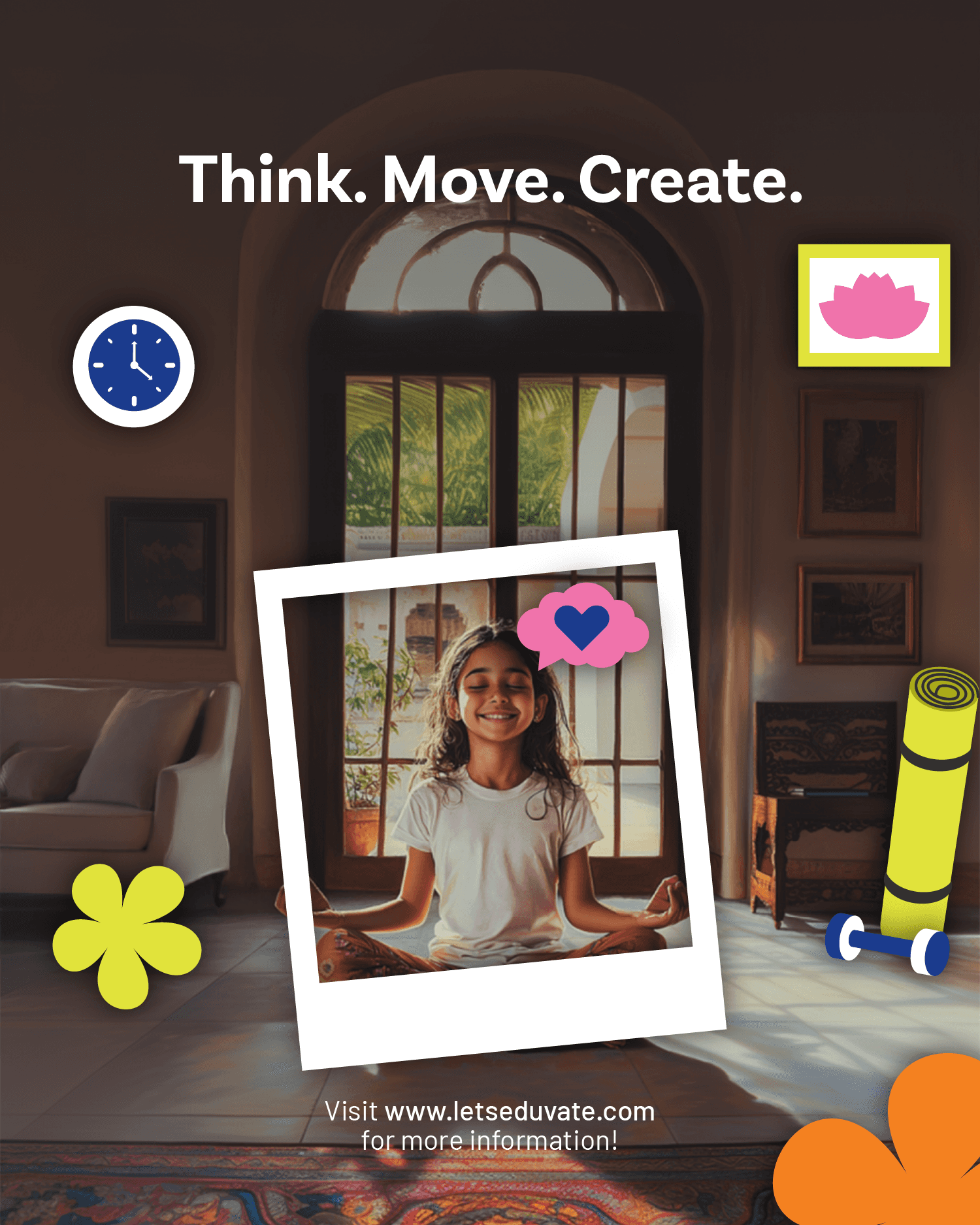
Beyond the outer box, the system extended into kit collaterals such as guidebooks, progress trackers, bonus activities, and sticker sheets. These elements encourage repeat engagement and create a sense of ownership — turning the kit into an experience rather than a one-time activity.


The final designs were selected by the client to move forward and demonstrated strong potential for scalability across K12’s learning ecosystem. The project reinforced the role of packaging as a strategic design tool — one that can shape perception, usability, and long-term brand value when approached as a system rather than a surface.