A personal observation on how we've started saving boxes again
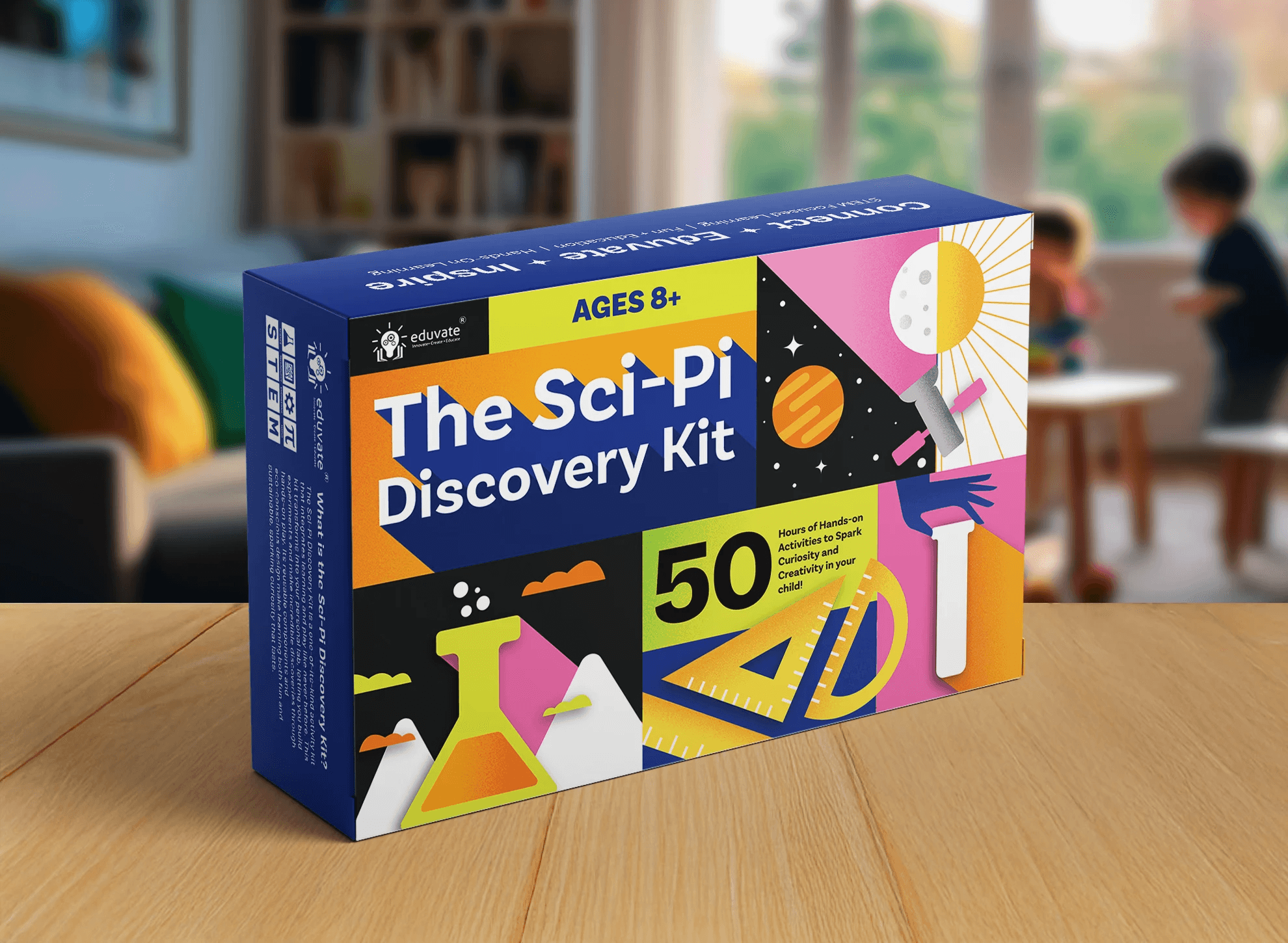
I grew up in a house where nothing was really thrown away.
The iconic blue tin box of butter cookies was kept safely somewhere in the cupboard that had everything but cookies in it – sewing needles, loose buttons, maybe a safety pin or two. Sweet tins became storage. Gift boxes became organisers. Even plastic bags lived multiple lives before disappearing into the abyss.
Back then, packaging wasn’t designed to be precious. It just became useful because our parents saw value in keeping things.
I’ve been thinking about how that instinct has returned, but for a much different purpose. Now we save boxes not just because they’re practical, but because they feel designed to be kept. Somewhere along the way, packaging stopped being background material and started becoming part of the product itself.
It’s no surprise how fast packaging communicates. Within seconds of holding something, a shopper already has an impression of the brand. Slow. Playful. Serious. Premium. Eco-conscious. Loud. It’s a five-second story told through materials, layout, and tone.
Indian D2C brands especially seem to understand this shift. Packaging isn’t treated like a finishing step anymore. It feels like the main stage, the moment that decides whether someone buys it, remembers it, or forgets it entirely.
Some brands feel less like they’re designing packaging and more like they’re designing objects with a second life.
Subko is one of the clearest examples for me. Their packaging doesn’t behave like traditional FMCG design. It feels editorial. Dense typography, layered references to Indian print culture, unexpected colour pairings. The pack asks you to slow down and read, almost like a zine. It isn’t trying to be universally clean or minimal. Instead, it builds an intellectual texture that mirrors the brand’s positioning around craft, culture, and coffee as discourse rather than commodity. I’ve kept wrappers simply because they feel like printed artefacts.
Nappa Dori approaches packaging almost like product design. Rigid structures, leather-like textures, muted palettes, and considered typography turn their boxes into long-term storage rather than disposable casing. There’s an architectural logic to how the packaging opens and closes, which makes you reluctant to throw it away. It feels like an extension of the brand’s philosophy of slow luxury. The value doesn’t end once you remove the product.
Forest Essentials works through ritual rather than restraint. Ornamental patterns, metallic details, and layered storytelling rooted in Ayurveda transform even simple cartons into ceremonial objects. The packaging doesn’t just hold skincare; it frames the act of using it as a moment of self-care grounded in heritage. The density of visual information becomes intentional, almost devotional, and that emotional weight makes people hold onto the boxes longer.
Globally, Aesop has mastered a different kind of longevity. Their packaging rarely changes dramatically. Amber bottles, clinical typography, restrained labels. The consistency creates recognition before the logo even registers. It’s not designed to be flashy, but the system itself becomes collectible through repetition. The more you see it, the more it feels like an essential object rather than just packaging.
Even brands like Glossier demonstrate how digital culture reshapes packaging behaviour. Their pink bubble wrap pouches are not structurally complex, but they’re instantly recognisable and highly reusable. The packaging becomes part of a visual ecosystem that extends into social media and everyday life, blurring the line between shipping material and branded accessories.
What connects all of these examples isn’t just beauty. It’s intention. The packaging extends the philosophy of the brand so clearly that throwing it away feels like discarding part of the experience.
We’re living in a moment where brands perform across multiple stages at once. The retail shelf, the Instagram grid, the unboxing video, the resale photo months later.
Packaging has become persuasion, personality, and proof of purchase all at once. It signals who the brand is before anyone reads a single sentence.
A heritage-heavy serif might suggest craft.
Muted palettes hint at wellness culture.
Playful micro-copy signals internet-native humour.
We decode these cues instinctively. Designers embed meaning into visual shorthand, and audiences respond faster than they realise.
There’s a part of me that wonders sometimes. Are we designing objects to be remembered, or just to be photographed?
I’ve spent hours fussing over dielines and typography hierarchies knowing that someone might open the box for two seconds and throw it away. And yet, those details might be the reason someone picked it up in the first place.
Packaging exists in a strange space between utility and storytelling. It has to protect something tangible, but it also carries emotion. Maybe that’s why it feels so powerful right now.
Even if it ends up as a biscuit tin holding rubber bands years later, the design has still extended the life of the product in a small way.
Maybe packaging hasn’t literally become the product. But it has definitely become the opening line of the experience.
And as designers, that opening line feels heavier than it used to. Not because it has to be louder or trendier, but because it has to carry meaning quickly, honestly, and memorably. I’d love to know what packaging you’ve kept long after the product was gone.
